
Professional Caregiving in Bangladesh: A Growing Sector with Global Opportunities
Introduction
Professional caregiving is rapidly emerging as a vital component of the healthcare and social support system in Bangladesh. With changing family structures, increased life expectancy, and rising healthcare needs, the demand for trained caregivers is growing both locally and internationally. Institutions like Flair Bangladesh Institute of Global Skills are playing a crucial role in shaping a skilled workforce for this expanding sector.
The Rising Demand for Professional Caregivers
Bangladesh is experiencing significant demographic and social changes. The average life expectancy has reached around 73 years, leading to a growing elderly population that requires long-term care.
By 2050, nearly 20% of the population will be aged 60 or above, which will significantly increase the demand for caregiving services.
Additionally, urbanization and dual-income families are reducing the availability of traditional family caregivers, creating a strong need for professional services.
The Care Economy and Employment Potential
The caregiving sector is not only a social necessity but also an economic opportunity. According to reports, Bangladesh’s care sector has the potential to create up to 7 million jobs by 2035.
Moreover:
- Increasing global demand (Japan, UK, Canada, EU) offers overseas employment opportunities
- Certified caregivers can contribute to foreign remittance earnings
- The sector supports women’s empowerment and youth employment
This makes caregiving one of the most promising skill-based career paths in Bangladesh today.
Importance of Professional Training
Professional caregiving goes beyond basic assistance. It requires structured training, practical skills, and emotional intelligence.
A trained caregiver is expected to:
- Provide elderly and patient care
- Assist with mobility, hygiene, and medication
- Handle emergency and first aid situations
- Offer emotional and psychological support
Institutions aligned with the National Skills Development Authority (NSDA) ensure that caregivers receive standardized and internationally recognized certification.
Role of Training Institutes in Bangladesh
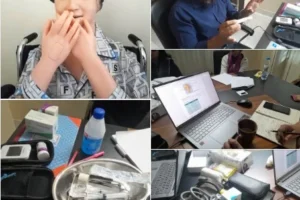
Training institutes such as Flair Bangladesh Institute of Global Skills contribute by:
- Offering Level-based caregiving courses (Level 1, Level 2, Level 3)
- Providing practical, hands-on training
- Preparing students for local and international job markets
- Developing soft skills like empathy, communication, and professionalism
Similar institutions in Bangladesh have already demonstrated success by producing skilled caregivers ready for both domestic and global employment.
Challenges in the Caregiving Sector
Despite its potential, the sector faces several challenges:
- Lack of proper legal framework and worker protection
- Social undervaluation and disrespect toward caregivers
- Long working hours and job insecurity
- Dependence on informal, unpaid family care (mostly women)
Addressing these issues is essential to professionalize the sector and ensure quality care services.
Future Outlook
The future of professional caregiving in Bangladesh is highly promising. With increasing awareness, government support, and institutional training, caregiving is evolving into a recognized profession.
Key future trends include:
- Growth of home healthcare services
- International migration of skilled caregivers
- Expansion of certified training programs
- Integration of caregiving into national development strategies
Conclusion
Professional caregiving in Bangladesh is no longer just a social responsibility—it is a rapidly growing profession with strong economic and global potential. Institutions like Flair Bangladesh Institute of Global Skills are essential in building a skilled, compassionate, and professional caregiving workforce.
By investing in training, policy support, and awareness, Bangladesh can transform caregiving into a sustainable career path while ensuring dignity and quality care for its people.
Tag:WordPress